
How many CCTV cameras do I need?
Plan coverage scene by scene. Entrances, exits, vulnerable approaches, high-value areas and long viewing distances may each need a different camera position or lens.
Clear guidance on CCTV, NVR storage, access control and physical security planning.
Discuss your requirements
These short guides explain the questions that most often shape CCTV, NVR and physical security decisions.
Plan coverage scene by scene. Entrances, exits, vulnerable approaches, high-value areas and long viewing distances may each need a different camera position or lens.
Check camera compatibility, number of channels, incoming bandwidth, PoE capacity, storage bays, display outputs, remote access and room for expansion.
Retention depends on camera count, bitrate, resolution, frame rate, codec and whether the system records continuously or when events are detected.
Form factor changes mounting and appearance. Image performance depends more heavily on lens, sensor, lighting, IR, environment and the detail required in the scene.
Keyholding provides a planned response when something activates. Patrols provide proactive checks. Sites can use either service or combine both.
Layered security combines deterrence, detection, controlled access, response and evidence so the property is not relying on a single measure.
A wide overview image and an identification image are not the same thing. The distance to the subject, lens angle, lighting and mounting position determine whether the recorded footage contains the detail you expect.
That is why a useful camera plan starts with the purpose of each view before equipment is selected.
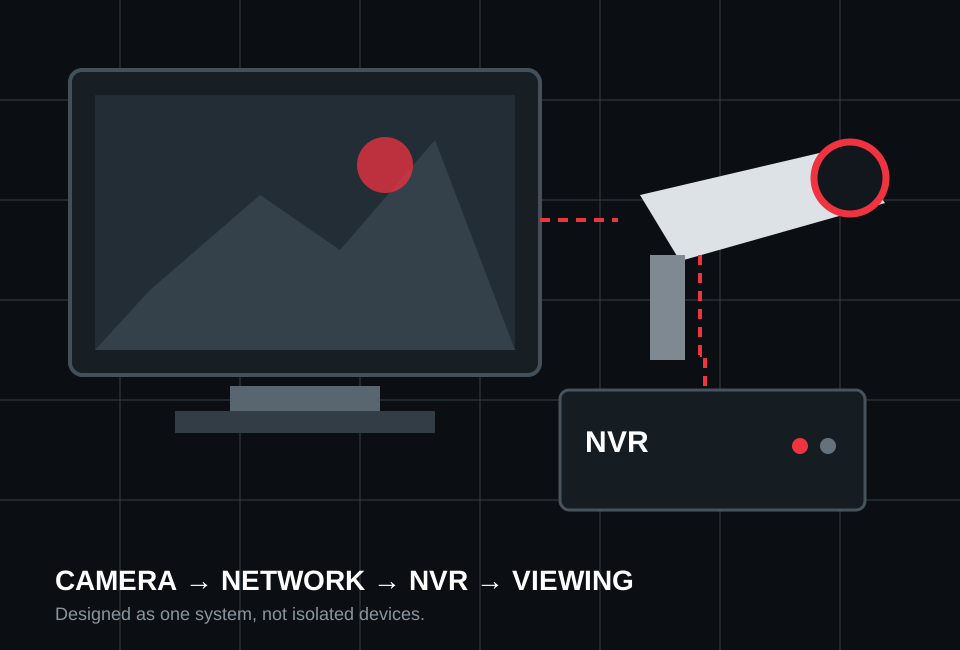
Explore CCTV installationThe recorder also needs enough bandwidth and storage for the camera streams. Higher resolutions, frame rates and bitrates increase the amount of data that must be handled and retained.